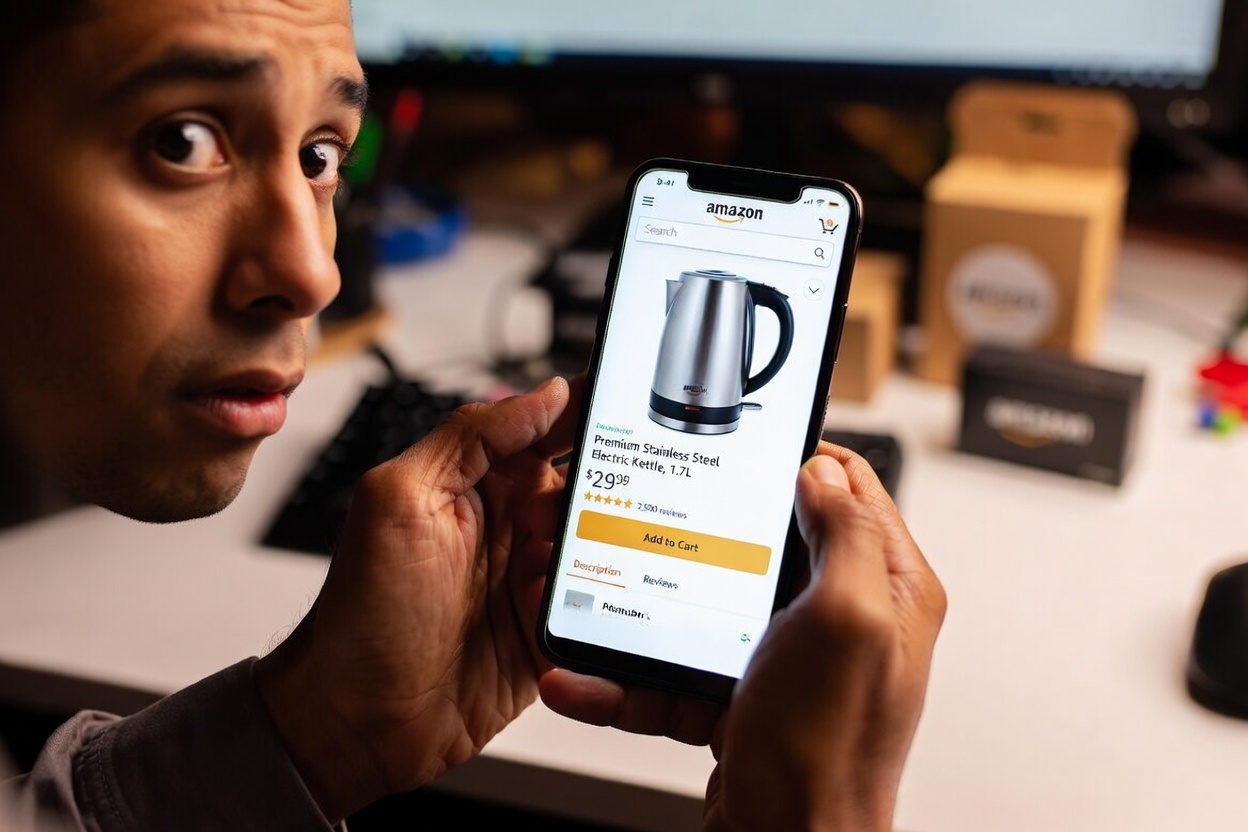
There's a conversation we have with brand owners almost every week. It goes something like this:
"We don't sell on Amazon."
Then we pull up their products on the platform and show them what's there. Multiple sellers. Inconsistent pricing. Product images they didn't approve. Descriptions that don't match their brand voice. Sometimes dozens of listings they never knew existed.
The reaction is always the same. Frustration. Confusion. And a question that sounds simple but doesn't have a simple answer: "How do I get them off?"
The honest answer? You probably can't. And understanding why is the first step toward actually fixing the problem.
How Your Products Get on Amazon Without Your Permission
If you sell through distributors, wholesalers, or retail partners, your products are almost certainly on Amazon. The supply chain works like this.
You sell to a distributor at wholesale. That distributor sells to their accounts — retailers, sub-distributors, buying groups. Somewhere along that chain, someone realizes they can make money listing your products on Amazon. They buy your product through legitimate wholesale channels, create a listing on Amazon, and start selling.
Sometimes it's your distributor themselves. Sometimes it's a sub-distributor you've never heard of. Sometimes it's a retail arbitrage operation buying your product off store shelves and reselling it online. The path varies — including the patterns we cover in our guide to how unauthorized Amazon sellers hurt your brand — but the outcome is the same: your products are on Amazon and you didn't put them there.
Why You Can't Just Remove Them
This is where it gets uncomfortable. In the United States, the first sale doctrine generally protects the right of someone who legally purchased a product to resell it. If a seller bought your product through legitimate channels — even through a long chain of intermediaries — they typically have the legal right to resell it on Amazon or anywhere else.
You can't call Amazon and say "take my products down." Amazon doesn't work that way. The marketplace is open. If someone has your product and wants to sell it, Amazon gives them a platform to do so.
There are exceptions — trademark infringement, counterfeit products, products sold in violation of specific contractual agreements — but the baseline reality is that the first sale doctrine makes "just remove them" much harder than most brands expect.
Why Ignoring It Doesn't Work Either
The natural response for many brands is to shrug and say "we don't care about Amazon" or "that's not our channel." But ignoring the problem doesn't make it go away. It makes it worse.
Unauthorized sellers set their own prices — usually as low as possible to win sales. This creates pricing erosion that doesn't stay on Amazon. Your retail buyers see those prices. Your DTC customers see those prices. Your brand's perceived value shifts downward across every channel.
The customer experience on Amazon reflects on your brand, not on the random seller. If they ship expired product, damaged product, or product stored in a hot garage — the negative review goes on your product listing. Your brand takes the hit.
And every month you ignore it, the unauthorized sellers get more entrenched. They accumulate reviews. They build ranking. They become harder and more expensive to displace when you eventually decide to take action. Learn about uncontrolled success.
So What Can You Do?
You can't eliminate your products from Amazon. But you can control how your brand shows up there. You can establish an authorized presence that outcompetes the unauthorized sellers. You can enforce your intellectual property rights where they're being violated. You can update your distribution agreements to restrict unauthorized online resale. And you can build a real Amazon strategy instead of letting random third parties define your brand's online presence.
For a practical framework on enforcement, see our unauthorized seller removal playbook.
None of this happens by ignoring the platform. It happens by engaging with it — strategically, deliberately, and with a clear plan.
The brands that figure this out don't just survive on Amazon. They turn it into a growth channel that reinforces their retail and DTC business instead of undermining it.