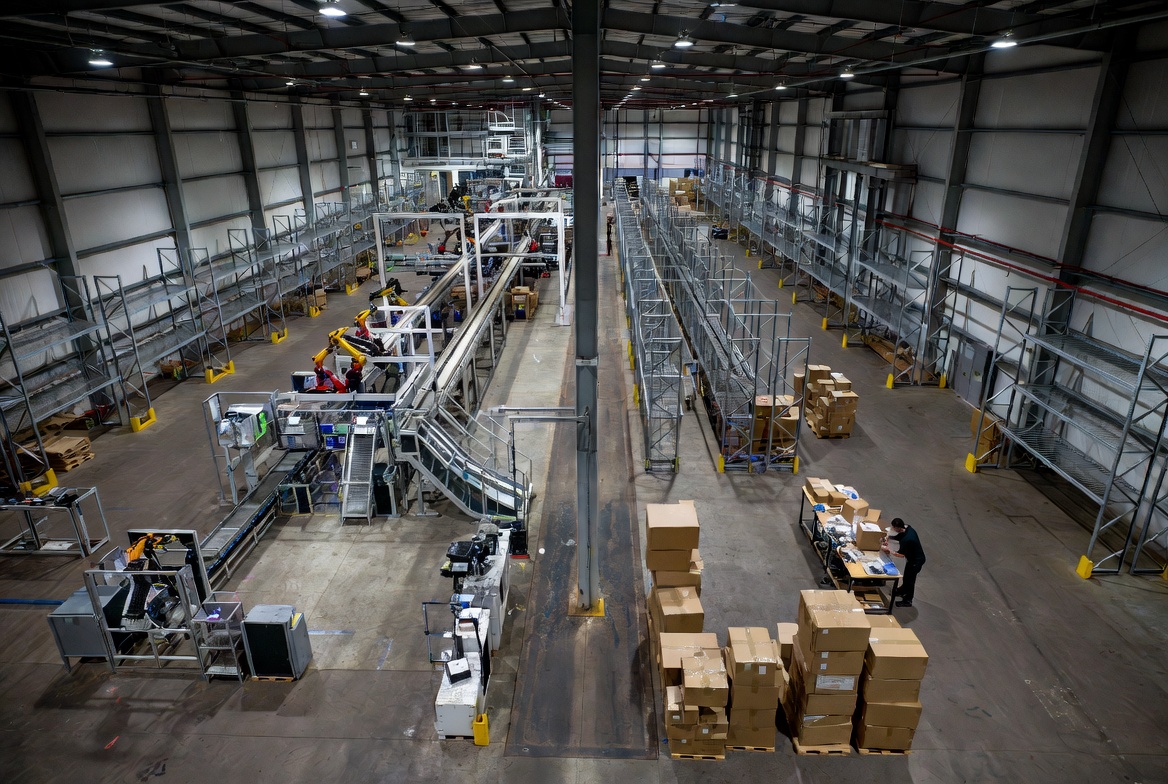
FBA vs. FBM isn't a religious debate — it's a business decision. And for most established brands, the answer isn't one or the other. It's understanding when to use each and why.
Both fulfillment models have real strengths and real costs. The brands that get this right aren't the ones who picked a side — they're the ones who made an informed choice based on their specific catalog, margins, and operational reality.
FBA — The Case For
Fulfillment by Amazon is the default for a reason. Products fulfilled by FBA get the Prime badge, which directly impacts conversion rates and Buy Box eligibility. Amazon handles picking, packing, shipping, customer service, and returns. For brands that want hands-off logistics and maximum visibility, FBA is the obvious choice.
FBA also scales without hiring. Whether you're shipping 100 units a month or 10,000, Amazon's fulfillment network handles the volume without you needing warehouse staff, shipping infrastructure, or customer service reps dedicated to Amazon orders.
Best for: high-velocity SKUs, standard-size products, brands that want to minimize operational complexity.
FBA — The Downsides
Storage fees are the headline cost, and they're not trivial. Monthly storage fees apply to every unit sitting in Amazon's warehouses, and products that sit longer than 271 days get hit with aged inventory surcharges that can be brutal on slow-moving SKUs.
You also lose control over the customer experience. FBA shipments go out in Amazon's brown boxes, not yours. There's no branded unboxing experience. And if Amazon commingles your inventory with other sellers' stock (which happens with manufacturer barcodes), you could end up with customer complaints about product quality that aren't even your product.
Capacity limits and restock restrictions add another layer of complexity. Amazon regularly limits how much inventory you can send in, and those limits change based on your IPI score and seasonal factors. Brands often find themselves unable to send enough inventory to meet demand during peak periods.
FBM — The Case For
Fulfilled by Merchant puts you in full control of your logistics. You store inventory in your own warehouse or 3PL, you handle shipping, and you own the customer experience from order to delivery.
For brands with oversized products, slow-moving SKUs, or products that require special handling, FBM eliminates the storage fee problem entirely. You're not paying Amazon to warehouse products that sell once a month.
FBM can also be more profitable per unit if you have efficient fulfillment operations. No FBA fees, no storage fees, no prep and labeling costs. If your 3PL can ship reliably and affordably, the math often works in FBM's favor — especially on lower-velocity items.
FBM — The Downsides
No Prime badge. This is the big one. FBM listings don't get Prime eligibility (unless you're approved for Seller Fulfilled Prime, which is difficult to qualify for and demanding to maintain). In many categories, Prime eligibility is the difference between winning and losing the Buy Box.
Shipping speed expectations are high. Amazon penalizes late shipments with Account Health demerits, and customers who buy on Amazon expect fast delivery. If your FBM fulfillment can't consistently deliver in 3-5 business days, you'll accumulate negative feedback and performance issues.
You also own customer service and returns. Every customer inquiry, every return request, every A-to-Z claim — it's your team handling it.
The Hybrid Approach
The smartest brands use both. FBA for top sellers and fast-moving SKUs where the Prime badge and fulfillment speed justify the fees. FBM for long-tail products, oversized items, or SKUs with low velocity where storage fees would eat the margin.
FBM also serves as a strategic backup during FBA capacity restrictions. When Amazon limits your inbound shipments (which happens frequently before peak seasons), having FBM infrastructure means you can still fulfill orders without stockouts.
The key is letting the data drive the decision. Map your full unit economics for each SKU under both fulfillment models. Factor in all fees, storage costs, shipping costs, and the conversion rate differential between FBA and FBM. The right answer varies by product.
How This Connects to the 2P Model
When 2P Central takes over a brand's Amazon presence, fulfillment strategy is one of the first things we optimize. We analyze the full catalog and determine the right fulfillment mix based on each product's velocity, size, margin, and competitive dynamics.
Brands get predictable wholesale revenue through purchase orders — without having to manage FBA logistics, storage limits, or fulfillment operations themselves.